Introduction
As cryptocurrency adoption grows worldwide, privacy and independence have become key priorities for users. Not everyone wants to share personal documents or go through lengthy verification processes just to hold or transfer crypto. That’s where crypto wallets that don’t need verification come in.
These no-KYC (Know Your Customer) wallets allow users to create, store, and manage digital assets without providing identification. They empower individuals to stay in control of their funds while maintaining full privacy and decentralization.
In this article, we’ll explore the best crypto wallets that don’t need verification, how they work, their advantages and risks, and the difference between custodial and non-custodial wallets.
What Are No-KYC Crypto Wallets?
No-KYC crypto wallets are digital wallets that allow you to hold and transfer cryptocurrencies without requiring any personal identity verification such as ID cards, passports, or proof of address.
These wallets are usually non-custodial, meaning users hold their own private keys. The wallet provider never has control over your assets, and no personal data is stored on centralized servers.
Key Features of No-KYC Wallets
-
Full control of funds: You own your private keys.
-
Privacy: No identity documents or KYC forms required.
-
Instant access: Create and start using your wallet within seconds.
-
Global usability: Anyone can use them, regardless of location.
Why Choose a Wallet Without Verification?
Many users prefer crypto wallets that don’t need verification because they value freedom, security, and privacy. Here’s why these wallets have become increasingly popular:
1. Privacy Protection
Unlike exchange wallets or custodial platforms, no-KYC wallets don’t require users to reveal personal information. This reduces the risk of data breaches, identity theft, or surveillance.
2. Decentralization
Non-custodial wallets align with the true philosophy of blockchain — decentralization and self-sovereignty. You become your own bank, responsible for your funds without intermediaries.
3. Faster Access
Traditional crypto exchanges often take hours or days to verify your identity. With no-KYC wallets, you can start sending and receiving crypto in minutes.
4. Avoiding Geographic Restrictions
Some regions restrict access to specific crypto platforms. Non-KYC wallets bypass these restrictions, allowing global participation in the crypto ecosystem.
Top Crypto Wallets That Don’t Need Verification
Below are some of the most trusted and widely used no-KYC wallets available today. These wallets give users the freedom to transact securely without submitting identity documents.
MetaMask
MetaMask is one of the most popular crypto wallets for Ethereum and other EVM-compatible networks. It functions as both a browser extension and a mobile app.
Key Points:
-
No KYC required for wallet setup or normal usage.
-
Fully non-custodial — users hold their private keys.
-
Supports thousands of decentralized applications (dApps).
-
Beware of phishing websites asking for “wallet verification.”
MetaMask remains a top choice for users who value privacy, flexibility, and DeFi access.
Trust Wallet
Trust Wallet, owned by Binance but completely self-custodial, allows users to store thousands of tokens and NFTs without verification.
Key Points:
-
No personal data or verification required to create a wallet.
-
Supports major blockchains such as Ethereum, BNB Chain, Bitcoin, and more.
-
Built-in staking and DeFi features.
-
Optional third-party integrations for swapping may request KYC, but wallet use itself does not.
Trust Wallet is ideal for users who want a mobile-friendly experience with wide token support.
Exodus Wallet
Exodus is a beautifully designed desktop and mobile wallet known for its simplicity and wide crypto support.
Key Points:
-
No KYC needed to create or use the wallet.
-
Your private keys stay on your device and are protected locally (usually encrypted) — the wallet provider never holds them.
-
Supports 200+ cryptocurrencies.
-
Integrated swaps and fiat purchases may require KYC through partners.
For users who want a balance between ease of use and privacy, Exodus is one of the best no-KYC options available.
Coinomi Wallet
Coinomi is a long-standing multi-asset wallet that prioritizes security and user privacy.
Key Points:
-
No KYC or personal data collection.
-
Supports hundreds of cryptocurrencies.
-
Works on both desktop and mobile.
-
Built-in exchange options that can function with or without third-party verification.
Coinomi is a great fit for users who prefer to manage multiple assets in one private environment.
₿ Electrum (Bitcoin Wallet)
Electrum is a lightweight Bitcoin wallet that’s been trusted by the crypto community for years.
Key Points:
-
No registration, email, or KYC needed.
-
Only stores Bitcoin.
-
Private keys are never shared with servers.
-
Offers advanced features like multisig and hardware wallet integration.
Electrum is perfect for users who want a secure, privacy-focused Bitcoin-only wallet.
Hardware Wallets (Ledger, Trezor)
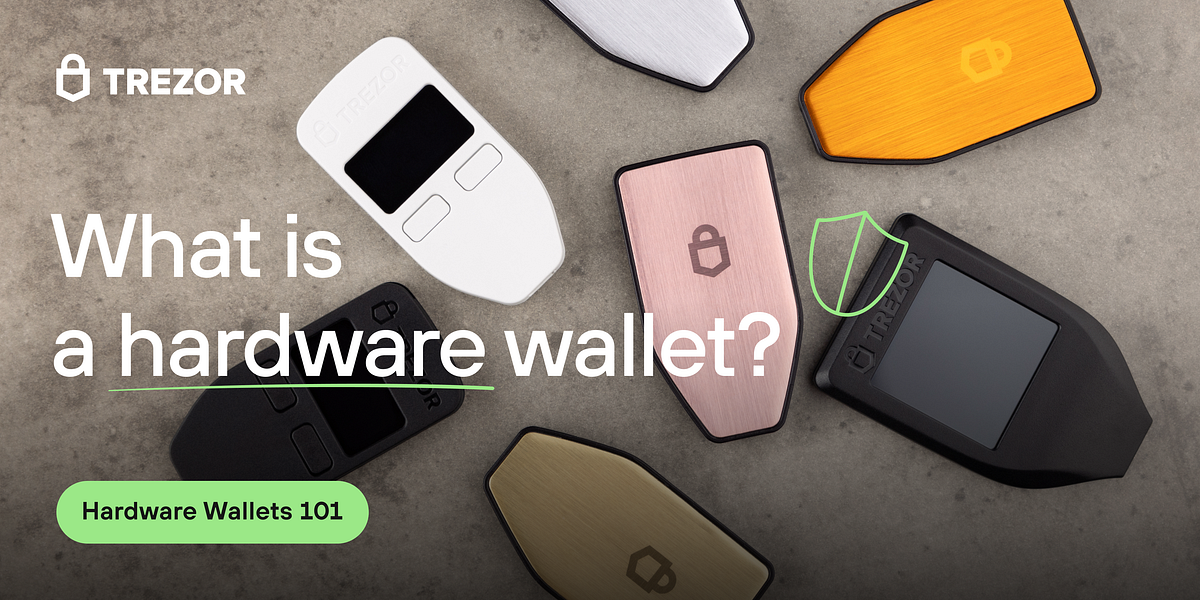
Ledger and Trezor are hardware wallets offering cold storage solutions for crypto users.
Key Points:
-
No KYC required to set up or use the device.
-
Private keys are stored offline, enhancing security.
-
Works with multiple cryptocurrencies.
-
Optional third-party services inside companion apps may request KYC.
For long-term storage, hardware wallets are the safest way to maintain self-custody without sacrificing privacy.
Risks of Using No-KYC Wallets
While privacy and freedom are major advantages, no-KYC wallets also come with responsibilities and potential risks.
⚠️ Loss of Recovery Options
If you lose your private keys or recovery phrase, there’s no centralized authority to help you recover your funds.
️ Scams and Phishing
Scammers often impersonate popular wallet brands, asking users to “verify” their wallet or share seed phrases. Always verify authenticity before downloading or entering any information.
Security Responsibility
Users must secure their devices and backups. Non-custodial wallets mean full control — but also full responsibility.
How to Choose the Right No-KYC Wallet
When selecting a crypto wallet that doesn’t need verification, consider the following factors:
-
Security features: Backup options, seed phrase protection, and encryption.
-
Compatibility: Supported blockchains and tokens.
-
Usability: Interface and accessibility (desktop or mobile).
-
Reputation: Long-term credibility and user reviews.
-
Open-source code: Increases transparency and trust.
Conclusion
Crypto wallets that don’t need verification empower users with privacy, security, and independence — key values in the decentralized world. Whether you choose MetaMask for DeFi, Trust Wallet for mobile convenience, or Ledger for cold storage, these wallets put control firmly in your hands.
However, with freedom comes responsibility. Always protect your seed phrase, avoid suspicious websites, and remember — in crypto, your keys mean your coins.
By understanding and choosing the right no-KYC wallet, you can manage your digital assets privately and confidently in today’s ever-evolving crypto landscape.